Turkish construction materials: why choose them for your international projects
In this article
- A manufacturing base that covers the whole building chain
- Turkish construction materials and the real cost of a project
- The EU-Turkey customs union: a framework that smooths trade
- Conformity: what to check before you specify a Turkish product
- Custom manufacturing, the real differentiator
- Europe, overseas and export: what distance actually changes
- Five questions to ask before you order
- Frequently asked questions
A manufacturing base that covers the whole building chain
Turkey has built a dense manufacturing base across the entire construction supply chain. Steel structures and sections, aluminium, windows and doors, glass, ceramics, natural stone, sanitaryware, equipment: few countries bring that range together in one place, with specialist plants able to work from a catalogue or from a drawing.
Five product families
In practice, the Turkish offer is built around five families:
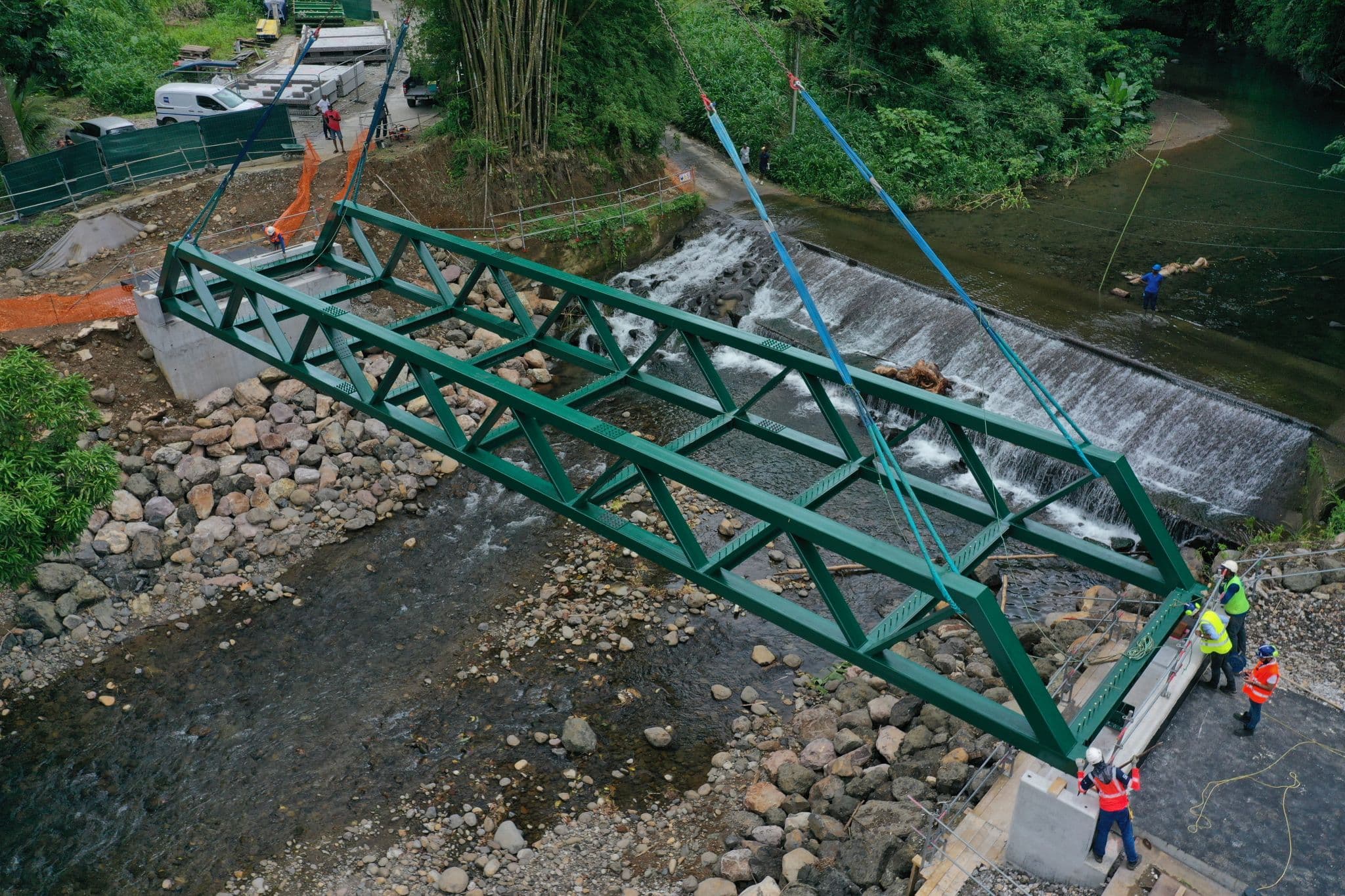
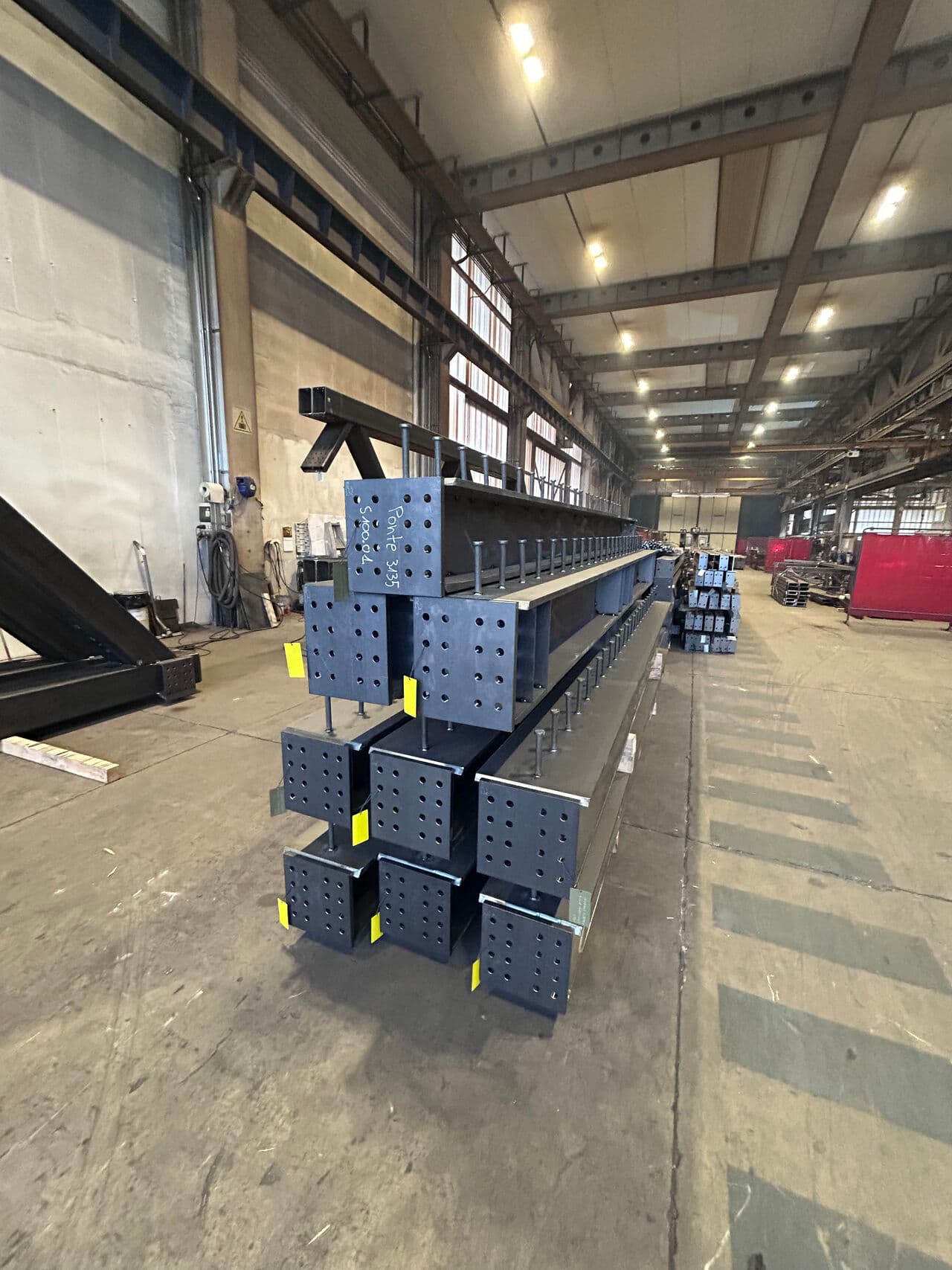
- Structure and framing — steel frames, sections, sheet metalwork, balustrades.
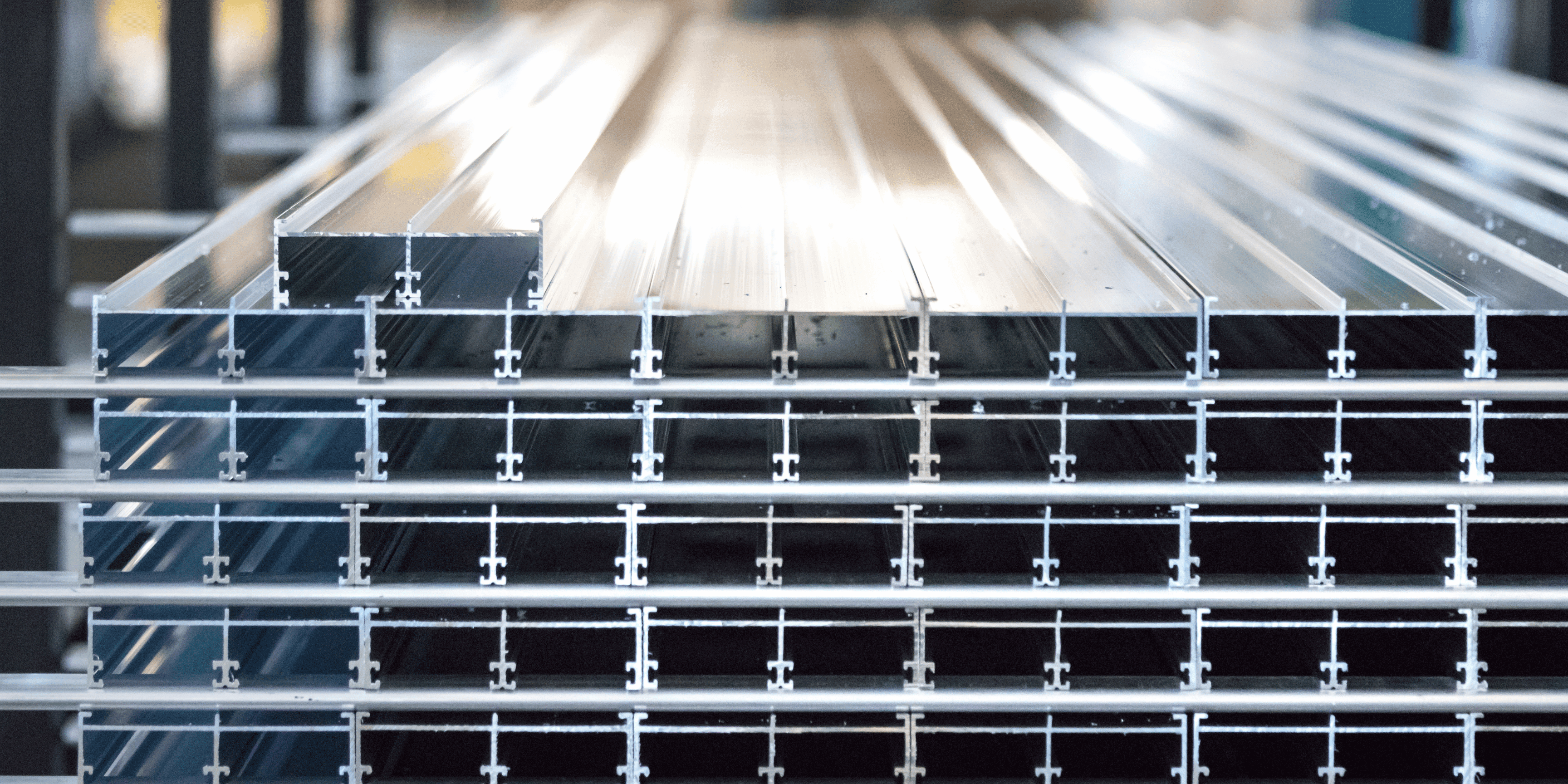
- Windows and façades — aluminium, glass, sun-shading louvres, cladding.
- Machinery and equipment — production lines and plant for the building sector.
- Interior fit-out — kitchens, furniture, sanitaryware, finishes, partitions.
- External works — street furniture, lighting, terraces, balustrades.
An industry built for the European market
The European Union is Turkey's largest trading partner, and construction materials are one of its long-standing export sectors. For a European buyer, approaching a Turkish manufacturer is not an isolated experiment: it means entering an industrial network already used to European requirements, European paperwork and European lead times.
Turkish construction materials and the real cost of a project
Price is the first filter everyone applies. It is also the most misleading.
The quoted price is not the real cost
On site, the cost of a material is the unit price, but it is also conformity to the specification, order volume, production lead time, packing, transport and any rework at installation. A product that is 10 % cheaper but arrives three weeks late, or needs adjusting on site, ends up costing more than one that was correctly specified at the outset.
Where the Turkish advantage actually sits
It comes from production costs that are better contained than in Western Europe, supported by modern plant and significant volumes. On substantial runs and on made-to-drawing components, the gap becomes material.
On very small quantities, though, fixed costs — freight, documentation, inspection — absorb much of the saving. Sourcing from Turkey makes sense above a certain volume, or above a certain level of customisation. Below that, local supply is often simpler.
The EU-Turkey customs union: a framework that smooths trade
Turkey and the European Union have been bound by a customs union since 1995. For the industrial products it covers, in free circulation, it provides in principle for no customs duties and no quotas between Turkey and the Member States.
The A.TR certificate, the key document
In practice, the A.TR movement certificate is what evidences the customs status of the goods concerned. It travels with the shipment and conditions the benefit of the arrangement. A manufacturer used to exporting to Europe issues one without difficulty — which makes it a useful indicator of export maturity in itself. The European Commission publishes the detail on Access2Markets.
What the customs union does not cover
It does not remove import VAT, it does not remove declaration formalities, and — above all — it says nothing about product conformity. It simplifies the customs crossing, not the placing on the market. That is the subject of the next section.
Conformity: what to check before you specify a Turkish product
A material destined for a European site has to meet the requirements that apply to its product family: declared performance, documentation and, where relevant, CE marking. That check is made product by product — never by country of origin.
The European framework
The reference text is the Construction Products Regulation (EU) 305/2011. It is being progressively replaced by Regulation (EU) 2024/3110, adopted at the end of 2024, with application phased over several years. Depending on the product family, a declaration of performance and CE marking may be mandatory: that is the first point to settle with the manufacturer, before you even discuss price.
The documents to ask the manufacturer for
- The declaration of performance (DoP), where the product falls under a harmonised standard.
- Technical data sheets setting out the declared characteristics.
- Surface treatment test reports for aluminium — anodising, powder coating, resistance in salt-laden atmospheres.
- Material certificates for steel.
- The A.TR certificate for the customs side.
At LR Construction these documents are reviewed before production starts, against the client's specification. We source products that comply with the requirements of the destination market and we collect the supporting evidence — the point being to avoid a product that matches the quotation turning out not to match the site.
Custom manufacturing, the real differentiator
A great many projects do not fit a catalogue. Non-standard dimensions, unusual shapes, finishes set by the architect, grid or lifting constraints: standard products reach their limit quickly.
Working directly with the factories rather than through a distributor means having the product made to the specification, instead of adapting the project to whatever is available. That is particularly true for aluminium windows, façades and sun-shading, steel structures, balustrades and interior fit-out.
The benefit is not only aesthetic. Components made to the right dimensions cut down rework on site — the line item where hours disappear fastest, and the one that pushes a programme off course before anyone notices.
Europe, overseas and export: what distance actually changes
Turkey's proximity to Europe and its port infrastructure support regular flows into the Mediterranean and Northern Europe. For a project on the European mainland, logistics remains an ordinary variable in the programme.
On an overseas or export project — the Caribbean, the Indian Ocean, West Africa — the equation changes. Sea freight, port handling and storage before installation are added to the production lead time. Three practical consequences:
- The programme is built backwards, from the installation date rather than from the order date.
- Components are sized for the container at design stage, not at loading.
- Customs documentation and the local freight forwarder are arranged upfront, not when the vessel sails.
A dimensional error on a site 8,000 kilometres away is not corrected in a day. That is precisely why inspection belongs before shipment rather than on arrival — and why we keep a permanent presence alongside the factories, in Turkey.
Five questions to ask before you order from Turkey
Beyond price, these five questions surface how reliable a counterpart really is, very quickly:
- Who inspects production on site, and how often? Reviewing photographs sent by the factory is not inspection.
- Which conformity documents will be supplied, and for which products? The answer should be a list, not an intention.
- How are non-conformities handled before shipment? This is where a middleman and a partner part company.
- Who handles customs documentation and the freight forwarder? Including at destination, port included.
- Which comparable projects can you give as a reference? Same product family, same destination.
Frequently asked questions
Are there customs duties on Turkish construction materials?
For industrial products covered by the EU-Turkey customs union and in free circulation, the arrangement provides in principle for no customs duties, subject to the A.TR certificate. Import VAT and declaration formalities still apply. The treatment should be verified product by product.
Do Turkish materials meet European standards?
Conformity depends on the product and the manufacturer, not on the country. Many Turkish plants produce for the European market and supply the expected declarations. The rule is the same as for a European supplier: check the applicable documents before you order, not on delivery.
What lead time should I allow between order and delivery?
It depends on the product family, the level of customisation and the destination. Within Europe, manufacturing accounts for most of the lead time. Overseas or on export, sea freight is added and often becomes the item that sets the programme — so it is the one to fix first.
At what volume does sourcing from Turkey become worthwhile?
There is no universal threshold. It becomes interesting as soon as a project combines meaningful volume or a need for made-to-drawing production. For a one-off, entirely standard requirement, local supply is usually simpler.
Have a project to source in Turkey?
LR Construction is based in Istanbul and supports European and international companies across the whole chain: identifying the manufacturer, reviewing the specification, negotiation, production follow-up, quality inspection and logistics coordination through to destination.
Give us fifteen minutes and your project. We will tell you what is feasible in Turkey, what is not, and on what lead time. No commitment.